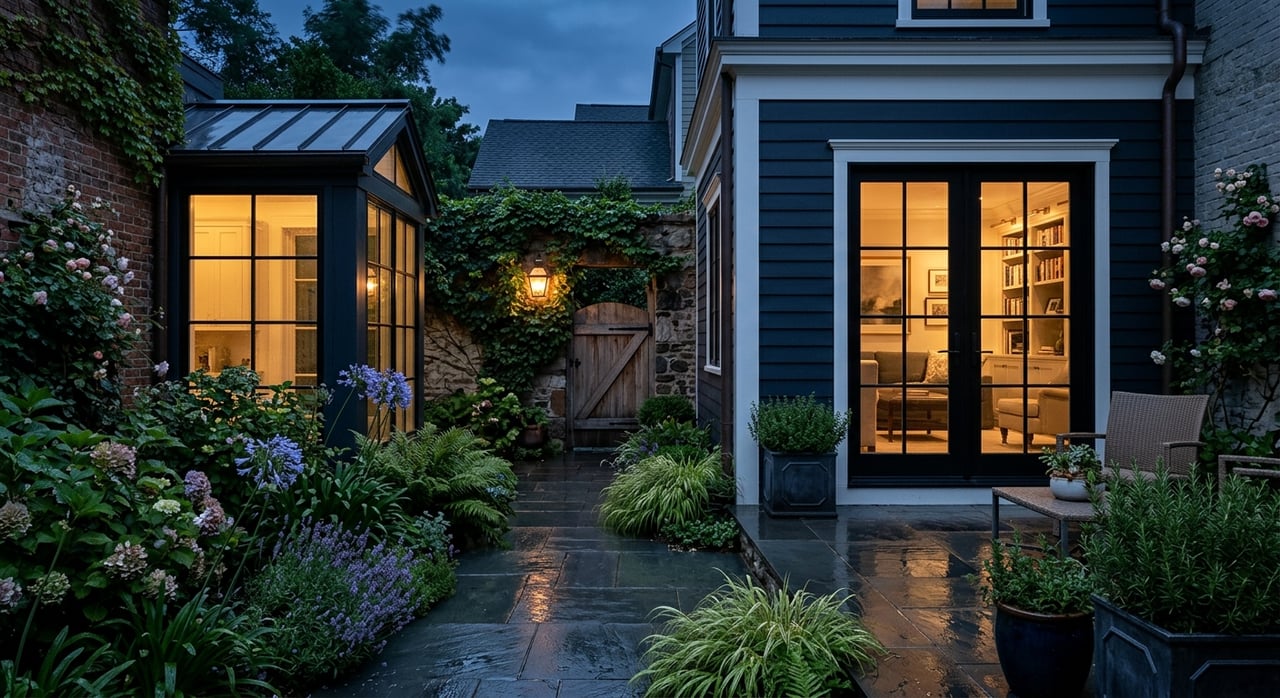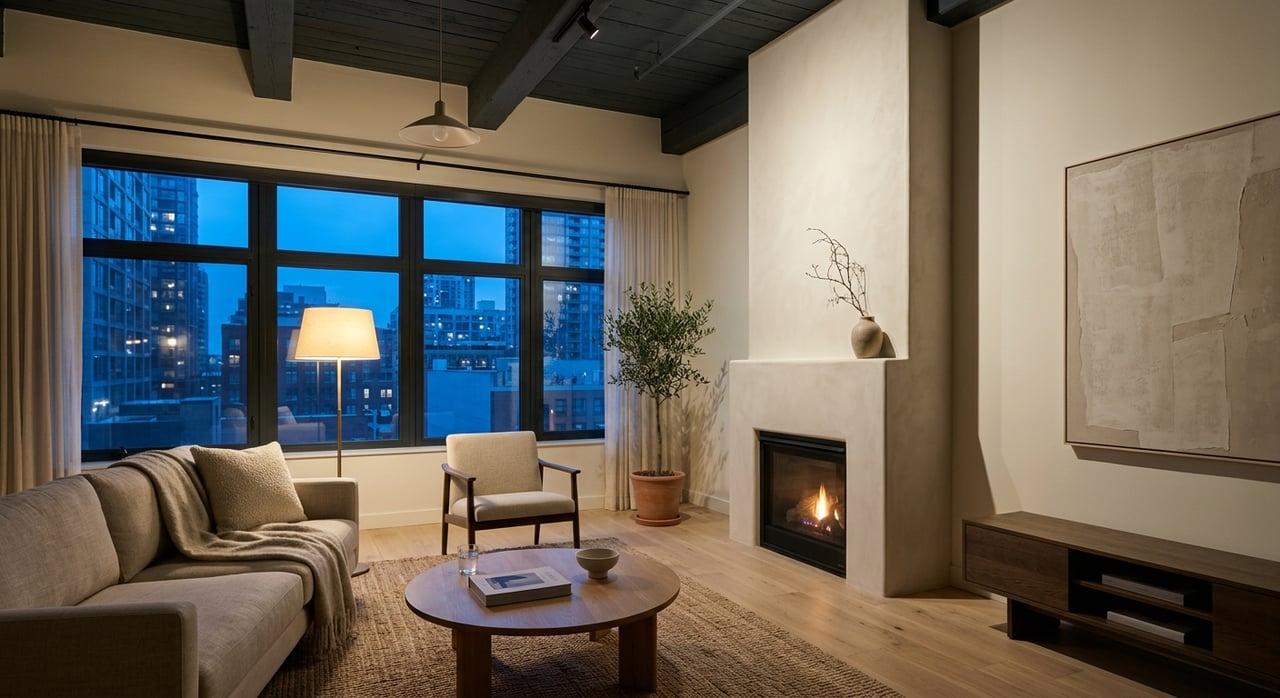
Buying a condo in the Marina can feel simple at first glance. The neighborhood is one of San Francisco’s most recognizable areas, with easy access to Marina Green, Fort Mason, the Presidio, and the shopping and dining corridor along Chestnut Street. But once you start touring, you quickly see that Marina condos are not all built alike, and that difference can shape everything from your monthly costs to your offer strategy. If you want to buy with confidence, it helps to understand how the neighborhood’s history, housing stock, and market conditions come together. Let’s dive in.
Why Marina condos vary so much
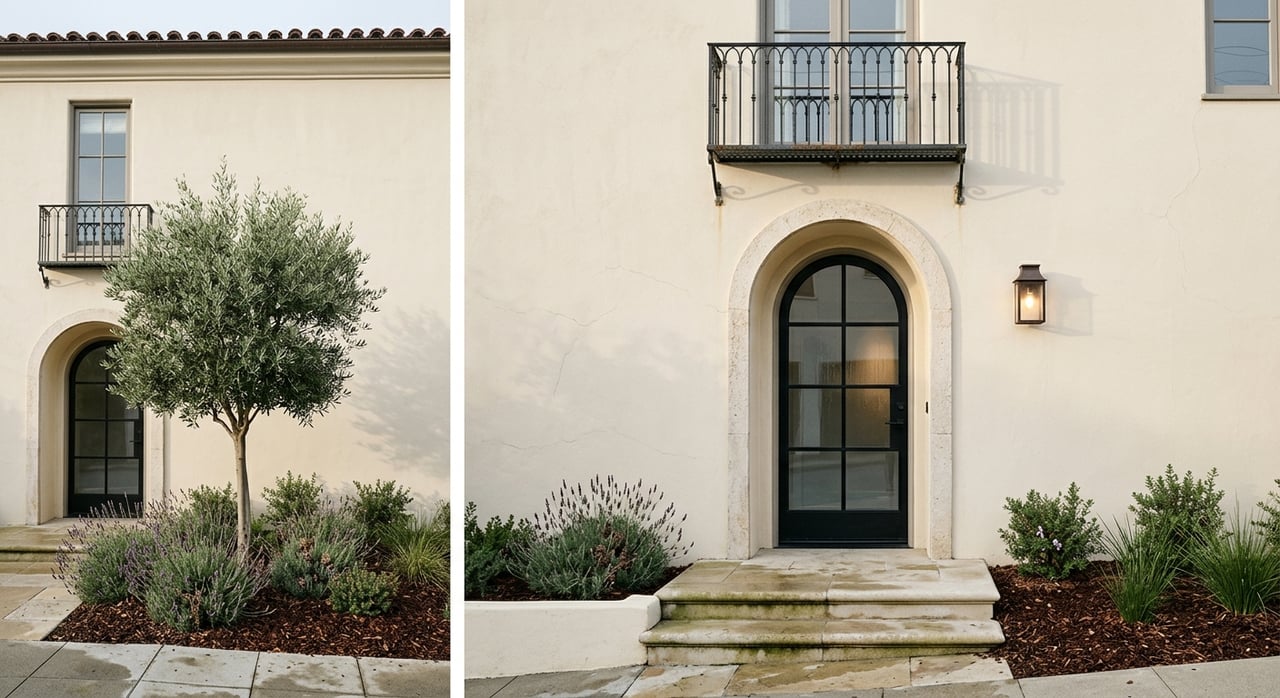
The Marina was largely tidal land and fill before major development took off in the 1920s and early 1930s. According to San Francisco Heritage, much of the neighborhood was built out quickly during that period, with architecture that includes Period Revival, Streamline Moderne, and Art Deco styles.
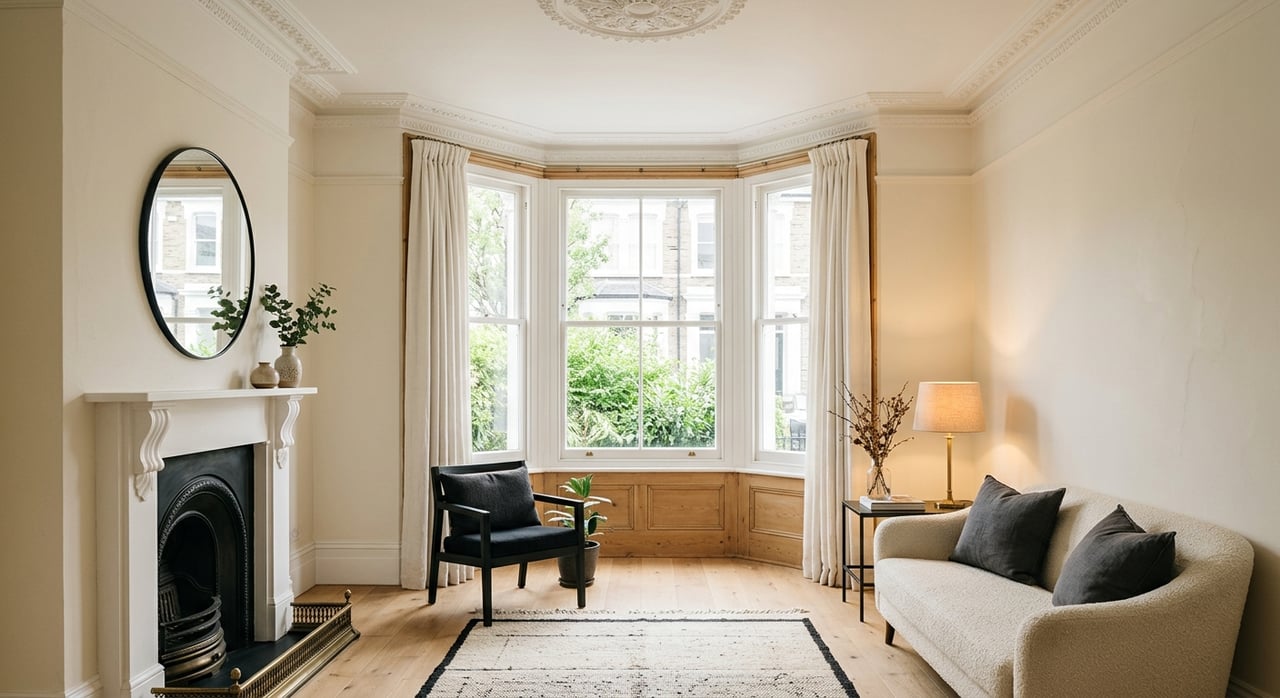
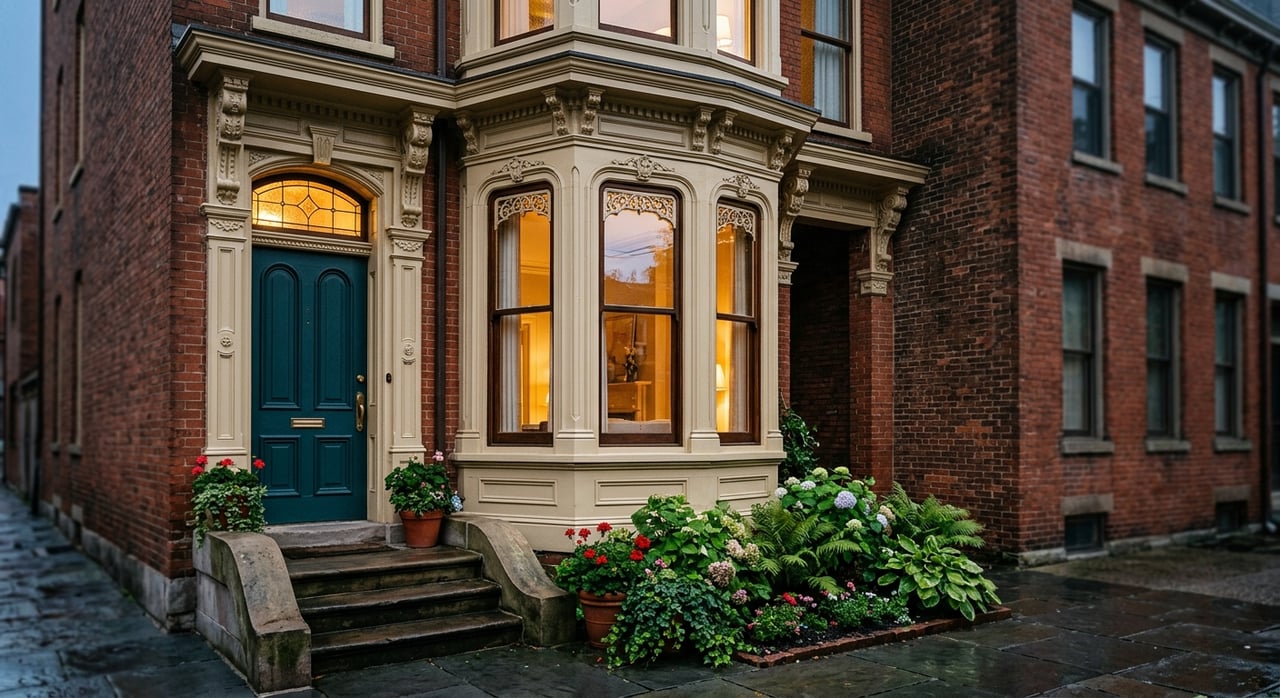
That history matters because the condo inventory is not uniform. You may see older apartment houses, period homes that have been divided into condos, and later boutique buildings. In practical terms, that means features like parking, elevator access, storage, laundry, and common-area upkeep can differ a lot from one building to the next.
What the Marina market looks like now
Recent market snapshots point to the same broad takeaway: the Marina remains tight and competitive. Realtor.com’s March and April 2026 overview showed 16 active listings, a median sold price of $1.88 million, 49 median days on market, and a 107% sale-to-list ratio. That source also labeled the Marina a seller’s market.
Redfin’s March 2026 snapshot showed a median sale price of $2.20 million, 12 median days on market, and a median sale price per square foot of $1.59K, describing the area as most competitive. The numbers differ, likely because of different methods and timing, but both reports suggest that well-positioned condos can move quickly.
If you are shopping in the Marina, this means preparation matters. You want clarity on your budget, financing, and decision-making process before the right condo hits the market.
Why each building deserves its own review
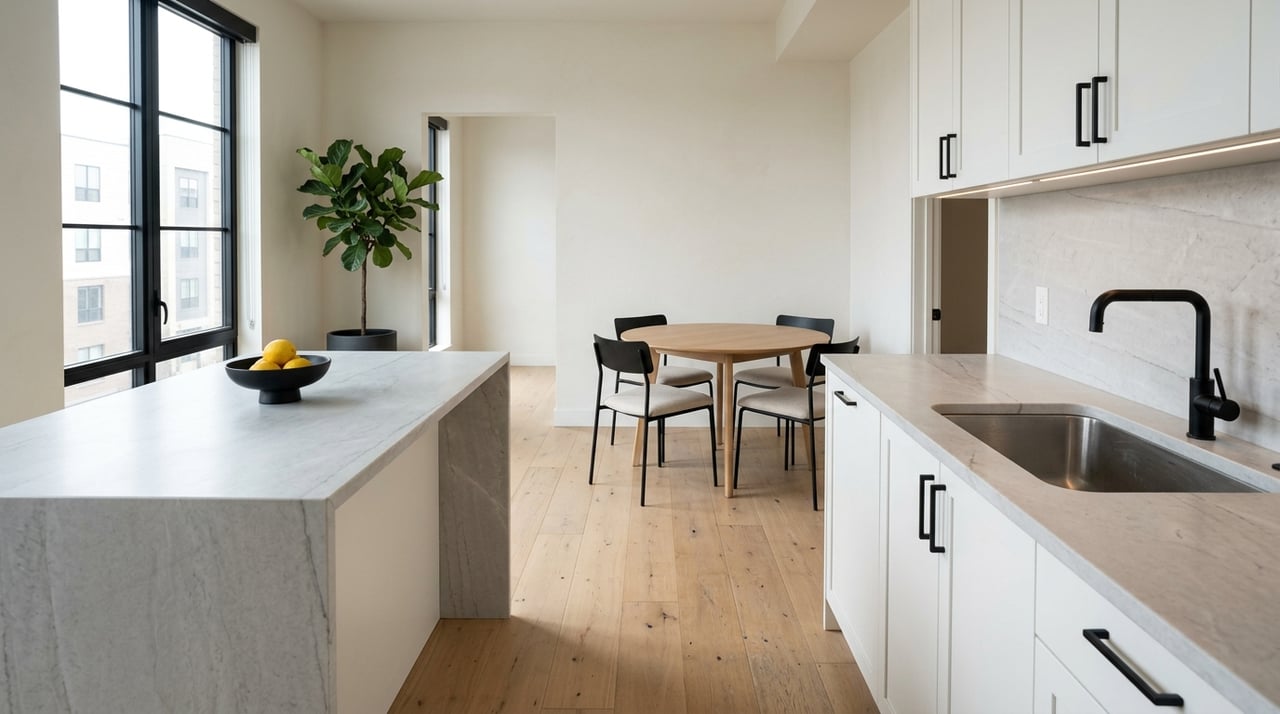
One of the biggest mistakes buyers make is assuming a Marina condo comes with a standard package of features. Current listings show a wide range. One late-1970s boutique building may offer an elevator, deeded parking, a laundry room, and a view roof deck, while a newer concrete-and-steel building may include air conditioning, in-unit laundry, elevator access, garage parking, and a roof deck.
Another listing may offer parking, a shared elevator, roof deck access, and common laundry, but not much else. The point is simple: you should evaluate each condo as a building-specific package, not just a unit-specific purchase.
What to review in the HOA documents
In California, resale condo sellers are required to provide key HOA and building documents to buyers. These include the governing documents, recent budget materials, current assessment information, unresolved violation notices, rental restrictions if they exist, and the latest required inspection report. If requested, approved board minutes from the prior 12 months must also be provided.
The annual budget report must include reserve information, expected special assessments, and an insurance summary. The California Department of Real Estate warns that poorly funded HOAs can create both special assessment risk and financing issues.
This is one of the most important parts of buying a Marina condo. A beautiful unit can still come with building-level issues that affect your monthly costs, long-term maintenance, or future resale.
Questions to ask about the HOA
Before you move forward, make sure you understand:
- What the monthly HOA dues cover
- Whether the reserves appear strong or thin
- Whether there are expected repairs or upcoming special assessments
- Whether there are rental restrictions
- Whether there are unresolved violation notices
- Whether recent board decisions point to major maintenance concerns
- What the insurance summary says about current coverage and deductibles
These questions matter in any condo purchase, but they are especially important in a neighborhood where building age and condition can vary so much.
Newer condos and recent conversions
If the condo is new construction or part of a recent conversion, there is another document to review closely. The California Department of Real Estate says the subdivider must obtain a public report before marketing and provide it to prospective buyers before they become obligated.
That report covers material items such as CC&Rs, HOA costs and assessments, and other important disclosures. If you are comparing a newer Marina condo to a resale unit in an older building, this report can help you understand what is different about ownership, costs, and building rules.
Key features to confirm before you offer
In the Marina, details that might be standard elsewhere often need to be verified. Parking is a great example. A listing may mention parking, but you still need to confirm whether it is deeded, assigned, leased, or part of common use.
The same goes for elevator access, roof decks, storage, and laundry. Some buildings include these features in a way that adds clear value and convenience. Others offer them in a more limited or shared format. You want to know exactly what is included, and how it is documented, before you write an offer.
How local offer strategy works
Because the Marina is a seller’s market, buyers should expect competition and faster decision windows. The California Department of Financial Protection and Innovation notes that multiple offers are common in seller’s markets, and that while price matters, terms matter too. It also notes that mortgage preapproval is often expected early in the process in competitive California markets.
At the same time, a higher offer is not always the best long-term decision. Financing and inspection conditions are there to protect you, and faster closing dates can sometimes create added costs or pressure.
In the Marina, your offer strategy should match the building. A wood-frame prewar building, a condo conversion, and a newer concrete building may call for different questions, timelines, and contingency decisions. This is where local experience makes a real difference, because the right strategy is often building-specific, not just neighborhood-specific.
Ground conditions matter in the Marina
The Marina’s setting is part of its appeal, but it is also part of the due diligence. The U.S. Geological Survey has noted that much of the neighborhood’s earthquake damage and liquefaction history was tied to artificial fill and loose sand.
For buyers, that makes it reasonable to ask careful questions about the building itself. You may want to understand the foundation type, any seismic retrofit history, and how the building has been maintained over time.
Flood information also matters. FEMA states that its Flood Map Service Center is the official source for flood hazard information. In practical terms, this means you should confirm flood-zone status and understand any related insurance implications as part of your condo review.
A smart Marina condo checklist
If you want a clear way to compare options, start here:
- Review the building, not just the unit
- Confirm what the HOA dues cover
- Read reserve and budget materials closely
- Ask about special assessments and deferred maintenance
- Check for rental restrictions and violation notices
- Verify how parking is structured
- Confirm whether storage, laundry, and roof deck access are private or shared
- Review insurance summary details
- Ask about foundation type and seismic work
- Check flood-zone status before you finalize your offer strategy
This kind of checklist helps you stay grounded when inventory is tight and emotions run high.
Why calm guidance matters here
Buying in the Marina is rarely just about finishes or views. It is about understanding the building, the documents, and the tradeoffs behind the listing photos. In a competitive market, it is easy to feel pressure to move fast. The goal is not just to move quickly. The goal is to move quickly and make a smart decision.
That is where a hands-on, detail-oriented approach can really help. When you understand the building’s story, the HOA’s health, and the local market context, you are in a much better position to buy with clarity.
If you are thinking about buying a condo in the Marina and want practical, neighborhood-specific guidance, Faye Dibachi can help you evaluate the building, the disclosures, and the strategy so you can move forward with confidence.
FAQs
What should you look for when buying a condo in the Marina neighborhood?
- You should review the building’s features, HOA documents, reserve funding, assessment history, parking setup, shared amenities, insurance summary, and any building-specific maintenance or seismic issues.
How competitive is the Marina condo market right now?
- Recent 2026 market snapshots describe the Marina as a seller’s market with limited listings, quick timelines for well-positioned homes, and sale-to-list activity that suggests strong competition.
Why do Marina condo buildings vary so much?
- The neighborhood includes a mix of older apartment houses, period properties, condo conversions, and newer boutique buildings, so ownership costs and amenities can differ widely from one address to another.
What HOA documents are important for a Marina condo purchase?
- Important documents include governing documents, budget and reserve materials, assessment information, unresolved violation notices, rental restrictions, the latest inspection report, and board minutes if requested.
What should you ask about parking in a Marina condo building?
- You should ask whether parking is deeded, assigned, leased, or not included, because parking arrangements in Marina buildings can vary significantly.
Why do seismic and flood questions matter for Marina condo buyers?
- Because much of the Marina was built on fill, buyers should ask about foundation type, seismic retrofit history, flood-zone status, and related insurance considerations before making an offer.