If you are hoping to buy a single-family home in the Marina, you are not imagining the challenge. This is a neighborhood with strong demand, limited house inventory, and homes that often come with as much character as complexity. The good news is that once you understand how Marina houses are built, what tends to come to market, and where the real tradeoffs are, you can shop with much more confidence. Let’s dive in.
What Marina single-family homes look like
The Marina is largely made up of older housing stock, not new construction. According to San Francisco planning and preservation sources, most of the neighborhood was built out by 1930, with the area developing mainly in the 1920s and 1930s.
That matters because when you search for a house here, you are usually looking at a resale home with original architectural roots rather than a newly built property. In practice, that means charm, period detail, and established streetscapes are part of the appeal.
Expect classic early 20th-century design
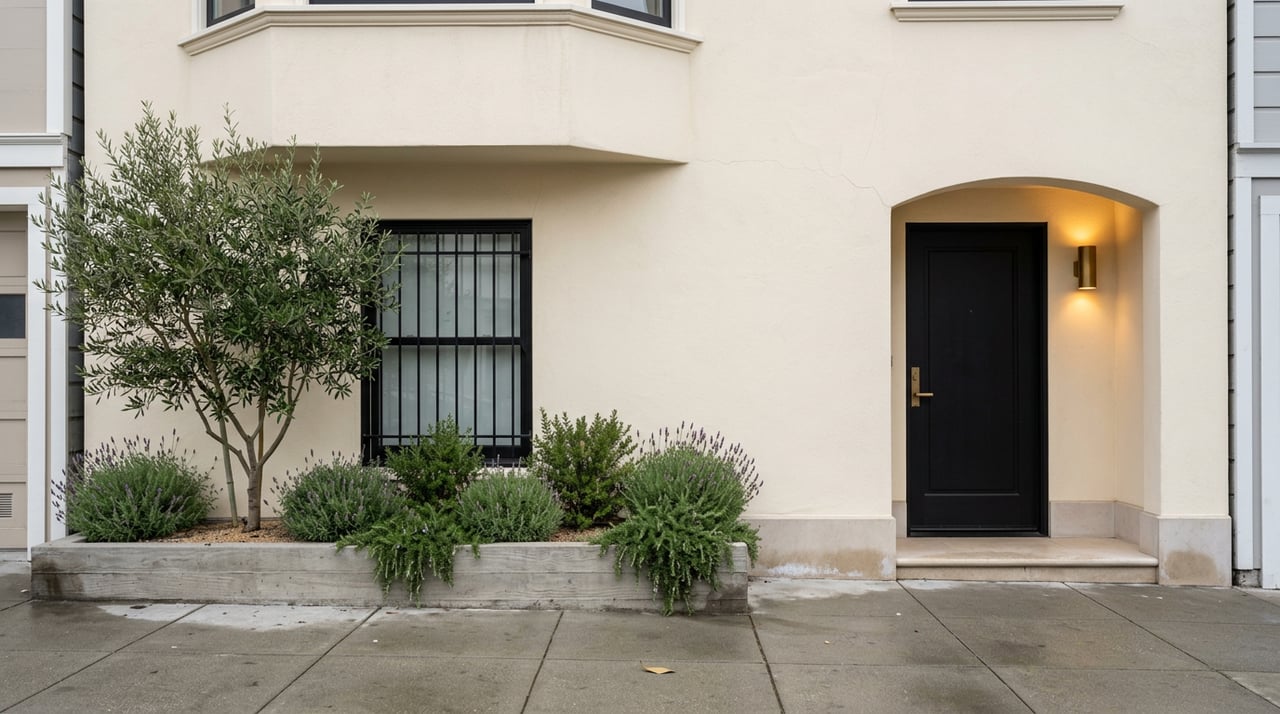
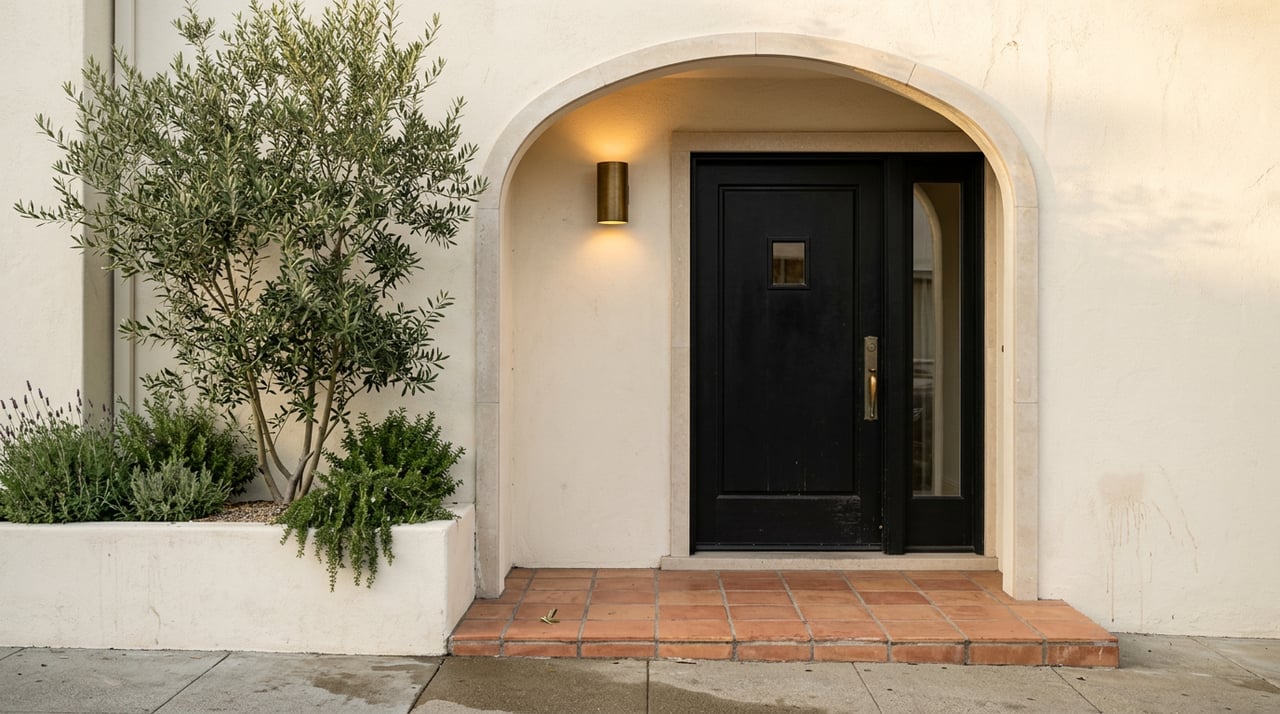
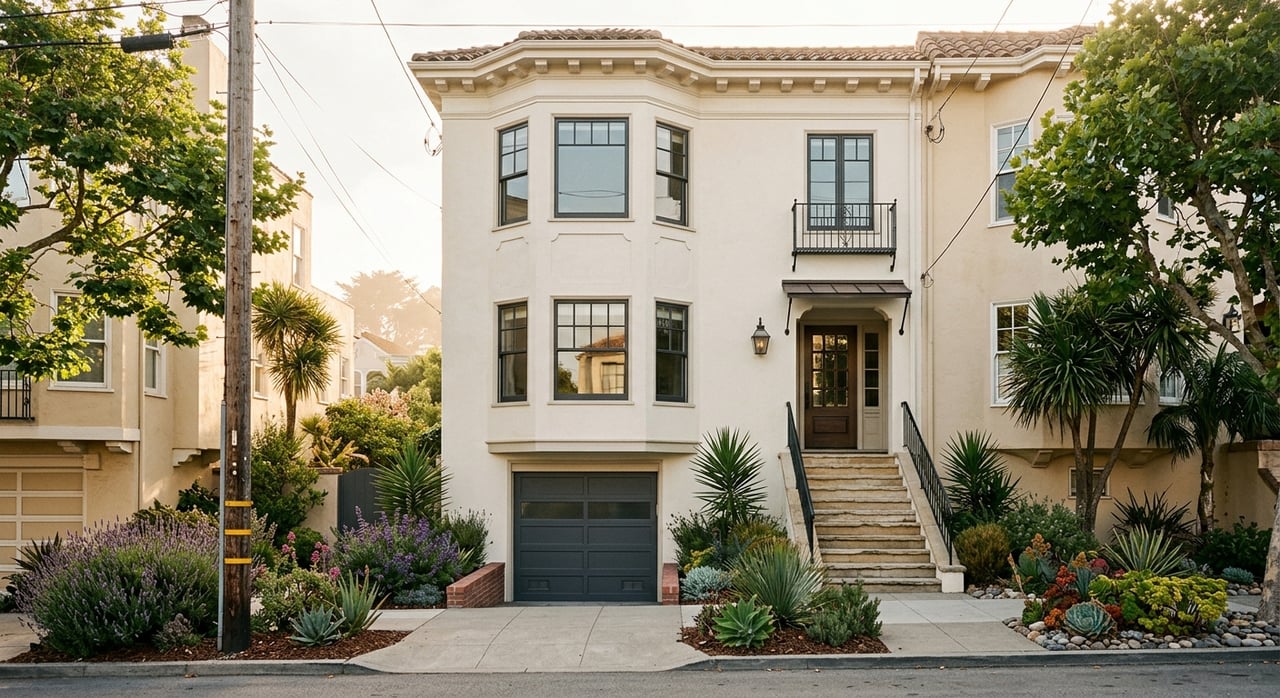
Many single-family homes in the Marina reflect Period Revival styles, including Mediterranean Revival, Spanish Eclectic, Art Deco, and Streamline Moderne influences. These homes often feel distinctly San Francisco, with design choices that give the neighborhood a cohesive identity.
You will also notice that outdoor space is often integrated into the home itself. Rather than large suburban lawns, some properties use front courtyards, rear yards, or roof decks to create usable open space.
Homes often rise over garages
A defining Marina housing pattern is the two- to three-story-over-garage layout. Planning materials identify this as a common neighborhood feature, and it helps explain why off-street parking is more common here than in some other San Francisco neighborhoods.
For buyers, that can be a real advantage. Garage parking is a practical feature that continues to matter in daily life and often remains high on buyers’ wish lists.
Why inventory feels so tight
One important point is that the Marina is not made up only of single-family homes. The neighborhood also includes a substantial number of apartment units, which means detached or single-family options represent only part of the local housing stock.
That limited supply shows up clearly in current market snapshots. Recent portal data cited in the research report shows low active inventory, with one source showing just 5 Marina single-family results as of May 17, 2026.
Demand remains strong
Even though different housing platforms use different time frames and metrics, the overall story is consistent. The Marina remains a tight, high-demand market for homes.
Recent neighborhood data points in the research report include median listing prices around $1.97 million, median sale prices around $2.2 million, fast days on market in some data sets, and seller’s market conditions. In other words, you may not have many choices at any given moment, and the best-positioned homes can move quickly.
What everyday livability really means here
When you buy in the Marina, square footage is only part of the picture. Daily function often comes down to parking, outdoor space, layout, and how well the property fits urban living.
The neighborhood’s original development pattern actually helps in some ways. San Francisco planning materials note that ground-floor garages were built into most residential buildings as cars became more common, so off-street parking is a longstanding feature in the district.
Outdoor space may look different than expected
If you are moving from a more suburban setting, outdoor space in the Marina may require a mindset shift. Many homes rely on courtyards, rear yards, roof decks, or easy access to nearby open spaces rather than broad front or back lawns.
That can still translate to a very livable lifestyle. The neighborhood sits near Marina Green, Fort Mason, the Presidio, and Moscone Playground, all of which contribute to how people use outdoor space day to day.
Renovation potential depends on the address
A Marina house may offer great upside, but renovation potential is highly property-specific. You cannot assume the same possibilities from one block or parcel to the next.
The first factor is zoning. San Francisco Planning’s residential district summary shows that RH-1 allows one dwelling unit per lot, RH-2 allows two, and RH-3 allows three, subject to the code’s details. Marina examples include both RH-1 and RH-3 zoning, so what you can do depends on the exact property.
Historic review can shape exterior changes
Historic status can be just as important as zoning. San Francisco’s property guidance states that if proposed work is visible from the street, city planners review the project to help protect historic resources.
Some Marina properties and blocks are contributors to historic districts, so visible additions, roofline changes, and exterior alterations may face more review than interior improvements. If you are buying with renovation in mind, this is one of the first things to clarify.
ADUs may add flexibility
For some buyers, an accessory dwelling unit could create long-term flexibility. San Francisco guidance says many single-family homes can add an additional residential unit, and city ADU guidance notes that extra parking is generally not required for an ADU.
That does not mean every Marina property will qualify, but it does mean a house could offer future options for multigenerational living, guest space, a separate office setup, or rental flexibility if the site and permitting align.
Site history is part of smart due diligence
The Marina’s history matters when you evaluate a home. The neighborhood was built on filled tidelands after the 1915 Panama-Pacific International Exposition, and that site history still shapes how some buyers think about risk and maintenance.
In practical terms, buyers often pay closer attention here to flood and foundation issues than they might in some inland neighborhoods. This does not mean every home has the same level of concern, but it does mean careful property-level review is especially important.
Flood risk deserves a closer look
The research report notes that one current neighborhood source labels the Marina’s flood risk as minor overall, while also stating that 18% of properties face severe flooding risk over the next 30 years. That kind of mixed picture is exactly why broad neighborhood assumptions are not enough.
When you are serious about a house, the right approach is to evaluate the specific property rather than rely only on the neighborhood name. This is one area where thoughtful guidance and careful review can make a big difference.
What makes a Marina house a strong long-term fit
In this neighborhood, the most durable value drivers are often the same ones buyers have appreciated for years. Period character, garage parking, usable outdoor space, and the ability to adapt the home over time all tend to matter.
Because inventory is limited, the goal is usually not to find a perfect house with zero compromises. It is to understand which compromises are manageable and which ones may affect your lifestyle, renovation plans, or resale potential later.
Focus on the features that matter most
As you compare options, it can help to prioritize a few key questions:
- Does the layout work for how you actually live?
- Is the parking setup convenient and usable?
- What kind of outdoor space does the property offer?
- Is the home’s condition aligned with your budget and timeline?
- What do zoning and historic review suggest about future changes?
- Are you comfortable with the property-level due diligence tied to the Marina’s site history?
These are often the questions that bring clarity fastest in a neighborhood where available homes can look appealing on the surface but differ a lot in practical terms.
Buying in the Marina with a clear strategy
The Marina can be a rewarding place to buy a single-family home, but it helps to go in with realistic expectations. You are likely shopping in a market with low inventory, older housing stock, and strong competition for homes that check the right boxes.
That is why a calm, educated strategy matters. If you understand the neighborhood’s housing patterns, renovation constraints, and everyday livability factors before you jump in, you are much more likely to recognize the right opportunity when it appears.
If you are thinking about buying a single-family home in the Marina and want practical guidance on what is available, what to look for, and how to evaluate tradeoffs, Faye Dibachi is here to help.
FAQs
What types of single-family homes are common in the Marina?
- Most Marina single-family homes are early- to mid-20th-century resale properties with Period Revival influences such as Mediterranean Revival, Spanish Eclectic, Art Deco, and Streamline Moderne styles.
Is single-family home inventory in the Marina limited?
- Yes. The research report shows low available inventory across current housing portals, and the neighborhood remains a high-demand seller’s market.
Do Marina homes usually include parking?
- Many do. San Francisco planning materials note that ground-floor garages were built into most residential buildings in the neighborhood, making off-street parking a common feature.
Do Marina houses have large yards?
- Usually not in the suburban sense. Outdoor space often comes in the form of courtyards, rear yards, roof decks, or access to nearby open spaces such as Marina Green and Fort Mason.
Can you remodel or expand a single-family home in the Marina?
- Sometimes, but it depends on the specific property. Zoning, historic status, and whether changes are visible from the street can all affect what is possible.
Can a Marina single-family home add an ADU?
- Some properties may be able to. San Francisco guidance says many single-family homes can add an additional residential unit, but site conditions and permitting still determine whether an ADU is feasible.
Should buyers pay special attention to flood or foundation issues in the Marina?
- Yes. Because the neighborhood was built on fill, many buyers look more closely at flood and foundation considerations here and evaluate those risks on a property-by-property basis.