Buying your first home in the Marina can feel exciting and intimidating at the same time. You may love the neighborhood’s waterfront setting, classic San Francisco buildings, and lively daily rhythm, but you also need to make smart choices about budget, building condition, and long-term costs. This guide will help you understand what first-time buyers should know before touring, offering, and buying in the Marina so you can move forward with more clarity and less stress. Let’s dive in.
Why the Marina Feels Different
The Marina has a very specific housing profile, and that matters when you are buying for the first time. According to San Francisco Planning neighborhood profile data, the area has a high share of renters and a relatively low owner-occupied rate at 24%, which means many first-time buyers are looking at condos, TIC-style opportunities, or homes in smaller multi-unit buildings rather than detached houses.
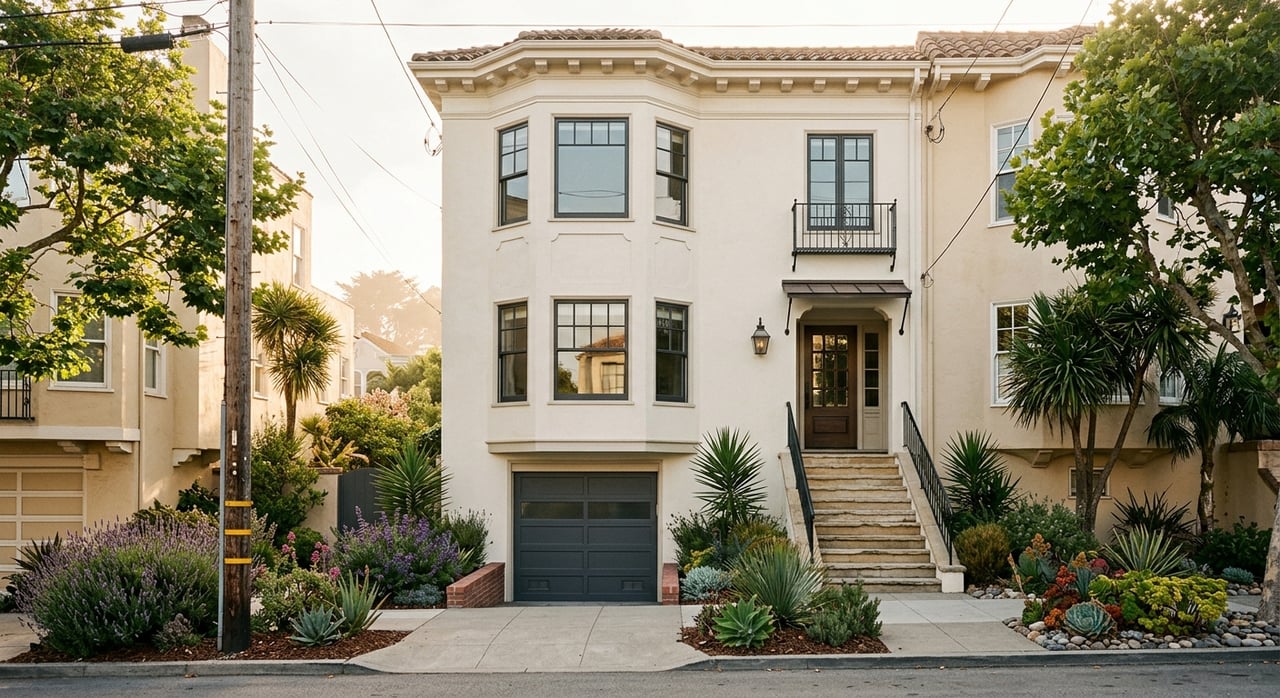
The housing stock is also older and more compact than some buyers expect. The median year built in the neighborhood profile is 1954, and a large share of homes are in 2 to 4 unit buildings or mid-size apartment-style buildings. One-bedroom and two-bedroom units make up much of the inventory, so space planning is often a real part of the decision.
The Marina’s location along San Francisco’s northern shore also shapes the buying conversation. People are often drawn to the water, parks, and neighborhood energy, but that same setting can raise practical questions about insurance, weather exposure, and coastal flood risk. Those are not reasons to avoid the area, but they are reasons to buy with your eyes open.
What First-Time Buyers Usually Buy
If you picture your first Marina home as a detached single-family house, you may need to reset expectations. The neighborhood data points to a market dominated by multi-unit housing, with 28% of units in 2 to 4 unit buildings, 32% in 10 to 19 unit buildings, and 16% in 20+ unit buildings.
That matters because buying a condo or a unit in a small building is different from buying a stand-alone house. You are evaluating both the home itself and the shared structure around it. Monthly dues, building reserves, maintenance history, and shared decision-making all become part of the purchase.
For many first-time buyers, this is actually helpful. A condo can be a more realistic entry point into the Marina than waiting for a detached home to fit your budget. The key is understanding the tradeoffs clearly before you fall in love with a kitchen or a view.
Start With a Real Budget
In San Francisco, your budget needs to be grounded before you start touring seriously. Citywide Census QuickFacts show a median value of owner-occupied housing units at $1,394,500 for 2020 through 2024, which gives important context for how competitive and expensive the market can be.
It is also important to separate what you can technically borrow from what you will feel comfortable owning month to month. A lender may give you a high ceiling, but your real budget should also leave room for your day-to-day life, savings goals, and the realities of city homeownership.
The biggest mistake many first-time buyers make is focusing only on the down payment. The total cost of ownership usually includes mortgage interest, lender fees, property taxes, insurance, and ongoing maintenance. In the Marina, HOA dues can also play a major role in affordability.
Preapproval Before You Tour
Before you get serious about open houses, get your financing organized. CFPB notes that prequalification and preapproval are not the same thing, and neither one guarantees a final loan, but preapproval can help surface credit or documentation issues early.
That early prep matters in a neighborhood where well-located homes can move quickly. If you understand your numbers before you shop, you can spend your time comparing homes instead of scrambling through paperwork after you find one you like.
If you plan to explore San Francisco homebuyer assistance programs, local requirements matter too. The Mayor’s Office of Housing and Community Development says these programs require 10 hours of homebuyer education for household members age 18 and older who will be on title, and applicants also need a mortgage pre-approval letter from an approved lender before applying.
Budget for Costs Beyond the Price
The list price is only one part of the decision. CFPB explains that homebuyers also need to budget for interest, fees, taxes, insurance, and other real estate costs, and those extra costs can feel especially significant in a condo-heavy neighborhood.
HOA dues deserve close attention. CFPB says they are usually separate from your mortgage payment and can range from a few hundred dollars to more than $1,000 per month. Fannie Mae also notes that HOA fees may support building reserves, while some buildings can still face special assessments for major repairs.
That means two homes with similar asking prices can have very different monthly carrying costs. A unit with lower dues is not automatically the better deal if the building has weak reserves or deferred maintenance. You want the full picture, not just the headline number.
How to Tour Marina Homes Smartly
When you walk into a Marina property, try to evaluate the building as carefully as the unit. Finishes are easy to notice, but the bigger financial story often lives in the HOA documents, common areas, and maintenance records.
A smart first tour should help you gather answers to a few practical questions:
- What are the monthly HOA dues?
- How strong are the reserves?
- Are there any planned repairs or possible special assessments?
- What does the HOA cover?
- Is parking deeded, leased, or not included?
- What insurance does the building carry, and what will you need individually?
This kind of checklist can keep you focused when emotions start to kick in. It also helps you compare homes more fairly, especially when properties have similar square footage but very different building health.
Older Buildings Need Closer Review
The Marina’s older housing stock is part of its appeal, but older buildings come with real responsibilities. San Francisco DBI says balconies, decks, stairs, and porches should be routinely inspected by licensed professionals, which is important when you are reviewing inspection reports or seller disclosures.
Earthquake readiness also belongs in the conversation. SF DBI notes that San Francisco is built on three seismic faults and provides resources related to soft-story retrofits and preparedness. In practical terms, that means first-time buyers should ask whether a building has completed recommended work, whether upgrades may still be needed, and how those costs could be shared.
This is one area where having experienced local guidance matters. Two homes may look similar online, but the ownership picture can be very different once you understand the structure, maintenance history, and likely future expenses.
Insurance Questions Matter Here
Because the Marina sits along the city’s northern waterfront, insurance should be part of your buying process early, not late. CFPB says homeowners insurance typically does not cover flood damage, and condo buyers still need their own policy even when the HOA has a master policy for common areas.
San Francisco’s Shoreline Adaptation Plan is intended to address coastal flood risk and related issues such as flooding during high tides and storms. For buyers, that means it is reasonable to ask direct questions about water exposure, building protection, and what type of coverage may be worth pricing out before you commit.
This does not mean every Marina purchase comes with the same level of risk. It means you should understand the unit, the building, and the location well enough to make an informed choice.
Parking and Transit Are Part of Value
Lifestyle fit matters just as much as square footage. San Francisco Planning data shows a mixed commuting pattern in the Marina, with 41% of workers commuting by car and 36% by transit, while 23% of households had no vehicle.
That makes parking and transit access more than small extras. Depending on your routine, deeded parking, street parking conditions, or proximity to Muni routes may have a real effect on daily convenience and resale appeal.
SFMTA lists service in the area from routes including the 30 Stockton, 30X Marina Express, 41 Union, 45 Union/Stockton, 47 Van Ness, and 49 Van Ness/Mission. If you rely on transit, it is worth comparing not just the home but also how the location works with your real schedule.
Tradeoffs First-Time Buyers Should Expect
Most first-time buyers in the Marina face a few common tradeoffs. You may need to choose between more space and a more central location, between lower HOA dues and a stronger reserve profile, or between a beautifully updated unit and a building that still needs work.
You may also need to think carefully about storage, layout, and flexibility. Since many units are one-bedroom or two-bedroom homes, buyers who want room for a home office, guests, or gear often need to prioritize which features matter most.
None of this is bad news. It is simply how smart buying works in a neighborhood with older, compact housing and a limited supply of ownership opportunities. The clearer you are on your priorities, the better your decision will feel later.
A Calm Strategy Wins
For first-time buyers, the Marina is rarely about finding a perfect home with zero compromises. It is usually about finding the right balance of location, budget, building quality, and long-term comfort.
That takes more than scrolling listings. It takes careful budgeting, thoughtful touring, and a clear understanding of how an older San Francisco building functions over time. When you approach the process with good information, you are much less likely to feel overwhelmed.
If you are thinking about buying your first home in the Marina, working with a team that knows San Francisco block by block can make the process feel far more manageable. When you are ready for clear guidance, local insight, and steady support, connect with Faye Dibachi.
FAQs
What types of homes do first-time buyers usually purchase in the Marina?
- Most first-time buyers in the Marina are looking at condos or units in multi-unit buildings, since the neighborhood housing stock is largely made up of 2 to 4 unit and mid-size multi-unit properties.
What should a first-time Marina buyer ask during a property tour?
- Ask about HOA dues, reserve strength, planned repairs, possible special assessments, parking, insurance coverage, and any building maintenance concerns.
What costs should Marina buyers expect beyond the down payment?
- In addition to the down payment, buyers should plan for mortgage interest, lender fees, property taxes, insurance, HOA dues, utilities, and maintenance costs.
Are there first-time buyer programs available in San Francisco?
- Yes. San Francisco homebuyer assistance programs described by MOHCD and SF.gov require homebuyer education and a mortgage pre-approval letter from an approved lender.
Why does older Marina housing need extra review?
- Many Marina buildings are older, so buyers should pay close attention to structural maintenance, balcony and deck safety, inspection findings, and any seismic retrofit history or future needs.