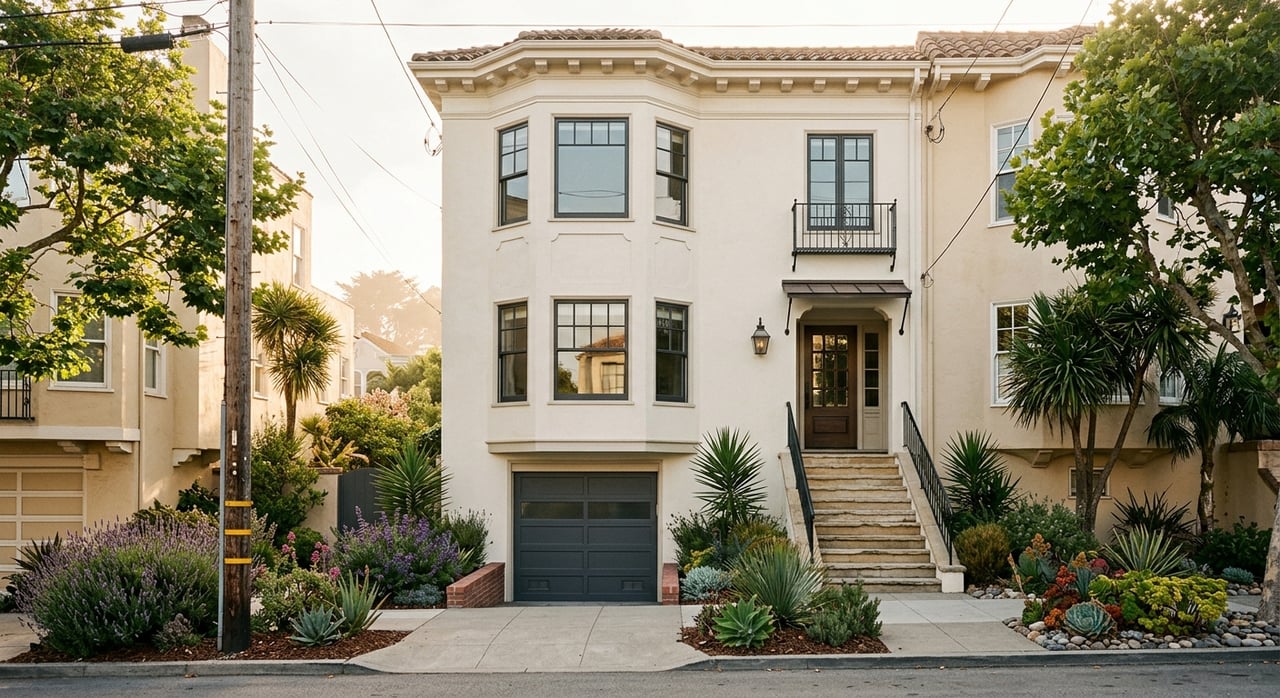
Thinking about trading Peninsula space for Marina energy? That move can be exciting, but it also comes with real lifestyle shifts that are easy to underestimate until you are in them every day. If you are considering a move from places like Redwood City, San Mateo, or South San Francisco into the Marina, this guide will help you compare housing, commuting, parking, and day-to-day rhythm so you can make the move with clear eyes. Let’s dive in.
Why the Marina Feels Different
If you are moving from the Peninsula, one of the biggest changes is how concentrated daily life feels in the Marina. The neighborhood is known for bayside views, retail and dining along Chestnut and Union streets, and access to waterfront open space between Fort Mason and the Presidio. Instead of spreading errands and social plans across several stops, you may find much more of your week happening within a compact neighborhood footprint.
That compact feel can be a big draw. The Marina offers an urban, socially active environment with parks, restaurants, shops, and scenic waterfront areas all woven into daily life. For many Peninsula movers, that means more walkable routines and a more spontaneous neighborhood experience.
Marina Housing Expectations
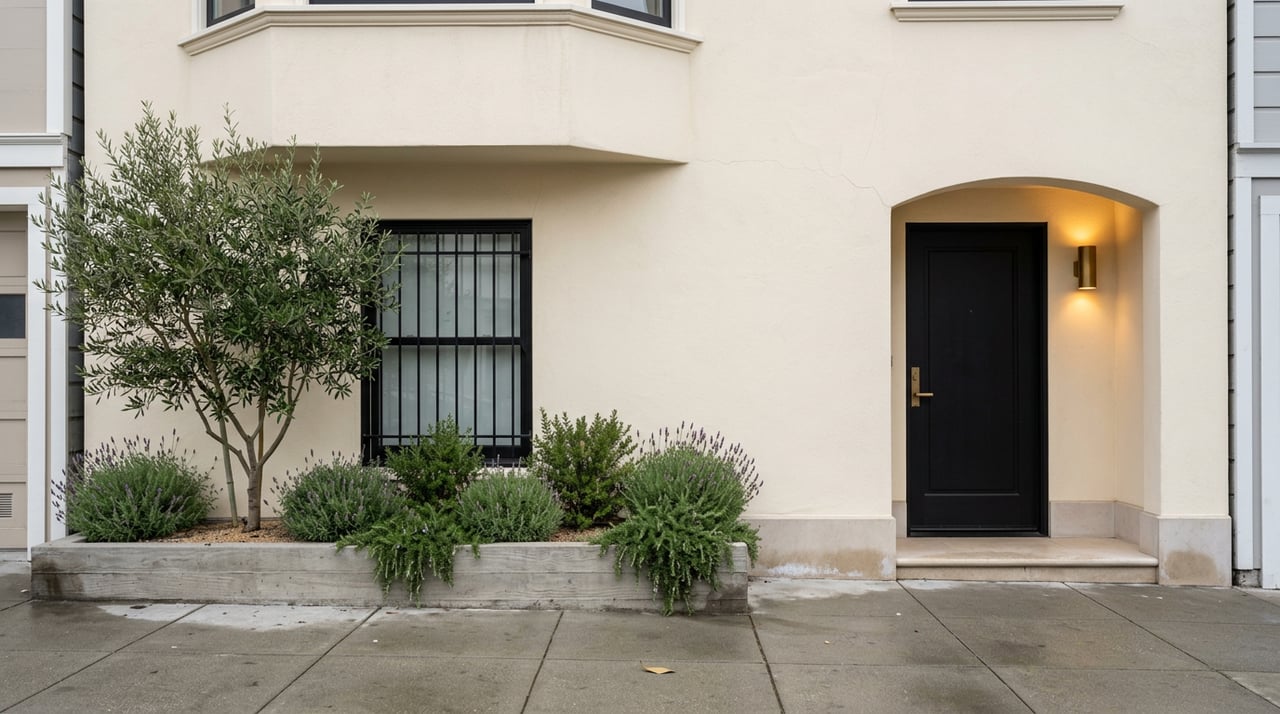
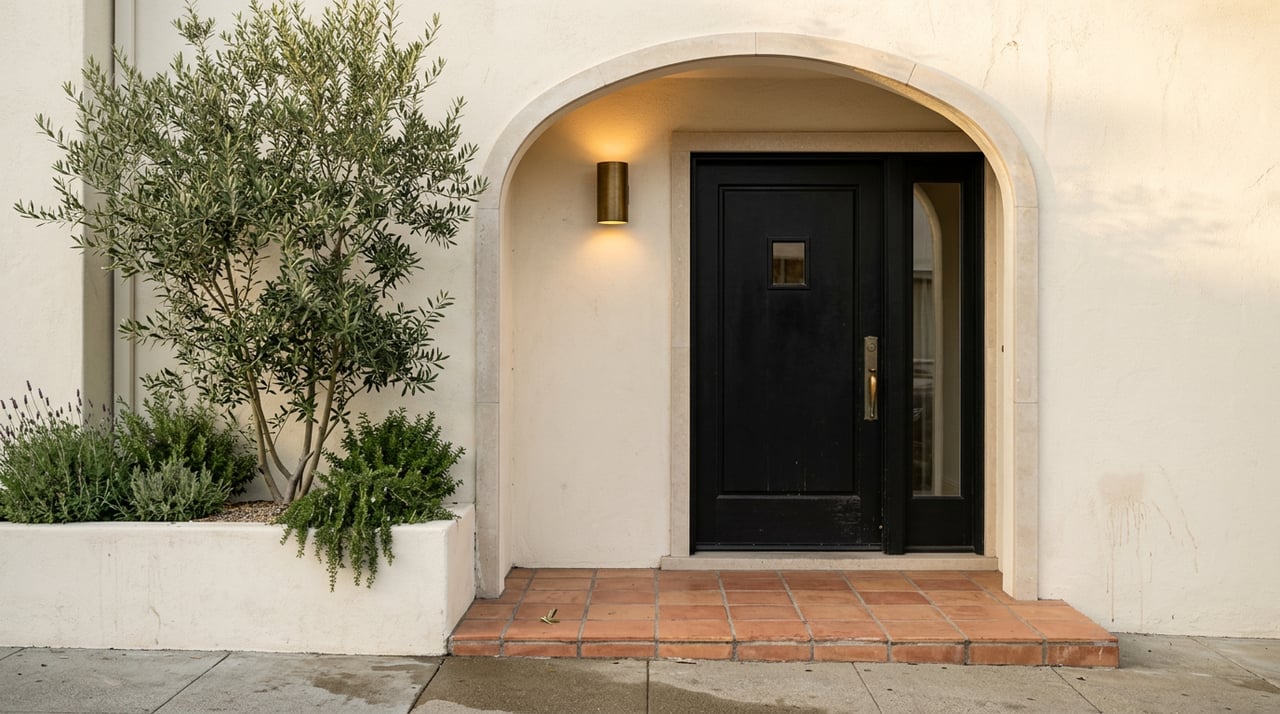
Housing is often the biggest adjustment. Compared with many Peninsula and South Bay areas, Marina housing tends to be older, smaller, and more varied in building type.
According to San Francisco Planning’s 2022 Housing Inventory, the Marina planning district includes 26,378 housing units. Those units are spread across single-family homes, small multifamily buildings, and larger apartment buildings, with a substantial share in low- to mid-rise properties rather than towers.
The neighborhood’s housing profile also points to established stock. San Francisco Planning’s ACS neighborhood profile shows a median year structure built of 1954, along with a strong concentration of one-bedroom and two-bedroom homes. If you are used to larger suburban layouts, extra storage, and newer floor plans, this is an important shift to plan for.
What that means for buyers
You will likely need to prioritize differently in the Marina than you would on the Peninsula. Square footage, garage access, and storage may matter more once you start comparing homes in person. In many cases, the tradeoff for location and lifestyle is a smaller footprint.
That does not make the move a bad one. It simply means your must-have list may need to become more disciplined. Buyers who do best here usually know which features are truly non-negotiable and which ones they are willing to trade for neighborhood access.
Ownership and Rental Context
The Marina has a strong renter presence. San Francisco Planning’s ACS profile shows 76% renter occupancy and 24% owner occupancy.
That matters because the neighborhood can feel different from owner-heavy suburban areas. Buildings may have more turnover, and the overall housing mix may offer fewer larger homes than some Peninsula buyers expect. If you are buying, it helps to think carefully about how long the home will fit your lifestyle.
Parking Is Still a Real Issue
A common misconception is that moving into a walkable San Francisco neighborhood means your car no longer matters. In the Marina, that is not always true.
San Francisco Planning data shows that 23% of households had no vehicle, but 41% of workers commuted by car. The same profile also shows 36% commuting by transit, 3% by bike, 5% by walking, and 10% working from home.
The takeaway is simple: the Marina is walkable and transit-enabled, but parking is still part of the housing decision. If you have one or more cars, garage access, parking convenience, and storage should be discussed early, not treated as an afterthought.
Questions to ask when touring homes
- Is there garage parking or deeded parking?
- How easy is it to get in and out of the parking area?
- Is there room for bikes, strollers, or sports gear?
- If there is no parking, what will your day-to-day routine look like?
- Will you keep the same number of cars after the move?
These questions can shape your quality of life more than buyers sometimes expect.
Commuting From the Marina
If you currently live on the Peninsula or in the South Bay, you may already be used to Caltrain as part of your routine. Caltrain remains the main rail spine through San Francisco, the Peninsula, and south toward San Jose and Gilroy.
The key challenge after moving to the Marina is often the last mile. A route that feels simple on paper can become less convenient when you add transfers, neighborhood traffic, or a drive to and from the station. Door-to-door time matters more than the headline commute option.
SFMTA lists several Muni lines serving the Marina, including the 10 Townsend, 22 Fillmore, 30 Stockton, 30X Marina Express, 45 Union/Stockton, 47 Van Ness, 49 Van Ness/Mission, and overnight owl routes. The 30X Marina Express runs weekday mornings only and heads toward downtown and Financial District stops, which can be helpful for some city-bound commuters.
What commuters should keep in mind
Transit in the Marina is useful, but it is route-specific. This is not the kind of neighborhood where one train line solves every commute pattern. Depending on where you work and what hours you keep, your real-world commute may involve Muni, a car, a rideshare, or a mix of all three.
For buyers relocating from Redwood City, San Mateo, or South San Francisco, this is why commute testing matters. What feels manageable for a once-a-week city visit may feel very different five days a week.
Lifestyle Tradeoffs to Expect
The Marina’s appeal is not hard to understand. Waterfront access shapes a lot of neighborhood life, and that changes how weekends and evenings can feel.
Marina Green stretches along the bay between Fort Mason and the Presidio and serves as a popular place for running, casual gatherings, and open-air downtime. Crissy Field adds beaches, walking and biking routes, picnic spots, and views toward the Golden Gate. The Palace of Fine Arts, Fort Mason, and shopping and dining along Chestnut Street also help define the neighborhood’s rhythm.
For many Peninsula movers, this is the heart of the trade. You may get more neighborhood energy, more walkable errands, and easier access to open space. In return, you may give up square footage, newer housing, and some day-to-day convenience around parking and commuting.
The Marina may feel like a fit if you want
- A more urban, active daily routine
- Waterfront access close to home
- Walkable dining and errands
- Older San Francisco housing with character
- A neighborhood where social and outdoor life are easy to plug into
The adjustment may feel harder if you prefer
- Larger homes with more storage
- Predictable parking and easier car use
- Simpler suburban commuting patterns
- Newer layouts and more separation from street activity
Neither set of preferences is better. The goal is to be honest about what helps you feel comfortable in your home and neighborhood.
How to Scout the Marina Before You Move
Before you sell your current home or commit to a purchase, try the Marina the way you would actually live there. A quick Saturday lunch visit is not enough to understand the neighborhood.
A better test is to make three separate trips:
Do one weekday rush-hour test
Travel the route you would really use for work or school pickups. Pay attention to traffic, parking, transit timing, and how long the full trip takes door to door. This is often where the biggest surprises show up.
Do one weekend visit
Spend time near the waterfront, walk Chestnut or Union, and run a few basic errands. You want to understand the pace, the crowd level, and whether the neighborhood supports the kind of weekends you actually enjoy.
Do one evening visit
Have dinner, take a walk, and see how the area feels after work hours. Some buyers fall in love with the evening energy, while others realize they want a quieter routine. It is better to learn that before you move.
Planning the Move From the Peninsula
A relocation from the Peninsula to San Francisco often involves more than choosing a neighborhood. You may also be coordinating the sale of one home, the purchase of another, financing timelines, and decisions about how much overlap you want between the two.
That is why planning matters early. If you are making a move like this, it is smart to speak with your lender, financial advisor, and tax professional about timing, bridge financing, and tax questions tied to your specific situation. Clear advice from the right professionals can help you avoid rushed decisions.
Why Local Guidance Helps
Moving into the Marina is not just about choosing a map pin. It is about matching your budget, commute, housing expectations, and lifestyle to a neighborhood that has a very specific rhythm.
That is where local context matters. A buyer who understands the Marina’s older housing stock, parking realities, transit options, and block-by-block feel will usually make better decisions than someone relying on a broad Bay Area comparison alone.
If you are weighing a move from the Peninsula to the Marina, Faye Dibachi can help you think through the tradeoffs, narrow your priorities, and create a plan that fits how you actually want to live.
FAQs
What is it like relocating from the Peninsula to the Marina?
- The biggest change is usually moving from a more spread-out suburban routine to a more compact, urban neighborhood with walkable dining, shopping, waterfront access, and older housing stock.
What kind of housing should you expect in the Marina?
- You should expect mostly established low- to mid-rise housing, a median structure age dating to the mid-1950s, and many one-bedroom and two-bedroom homes rather than a large supply of bigger suburban-style layouts.
Is parking important when buying in the Marina?
- Yes. Even though the Marina is walkable and transit-enabled, many residents still rely on cars, so garage access and parking convenience can have a major impact on daily life.
How does commuting from the Marina compare with commuting from the Peninsula?
- Commuting from the Marina often depends on the full door-to-door route, including transfers, local traffic, or driving, rather than a single straightforward rail line.
How should you test whether the Marina fits your lifestyle?
- Visit the neighborhood during weekday rush hour, on a weekend, and in the evening so you can compare commute friction, parking, and neighborhood energy under real-life conditions.